Last Updated on July 1, 2026 by David
Slate flooring has become synonymous with sophistication in residences across West Dunbartonshire. It beautifully complements a variety of homes, from quaint stone cottages in Alexandria to the elegant period properties found in Dumbarton and Clydebank.
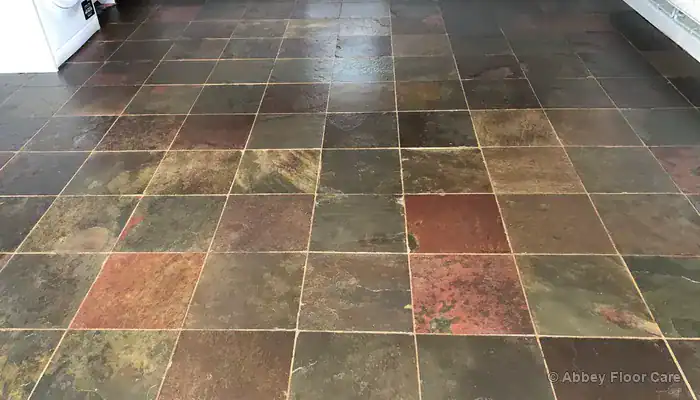
The distinctive texture and rich, layered hues of slate make it a visually striking flooring choice. Preserving its natural allure requires specific care methods that differ significantly from those used for traditional flooring types like ceramic or vinyl.
If you have looked into “natural” cleaning options for slate, you may have come across suggestions to use vinegar or lemon juice. Hold on. This advice represents one of the most damaging myths regarding the maintenance of natural stone. If you’ve attempted these methods, there is no need to panic. Understanding the rationale behind this guidance is essential before you clean your slate floors again.
Why Are Acidic Cleaners Detrimental to Slate? A Scientific Perspective
Vinegar and lemon juice are often seen as practical, eco-friendly cleaning agents since they are natural and free from harsh chemicals. both substances are acidic, and slate, like many natural stones, does not respond well to acidic environments.
When acidic substances remain on slate for extended periods, they can gradually erode the stone’s mineral composition through a process known as etching. While the initial effects may not be immediately noticeable, repeated exposure can result in dull spots, a rough texture, or damage to the sealant. Once the protective layer is compromised, the slate becomes more vulnerable to stains and moisture infiltration, which undermines your cleaning efforts.
The good news is that “natural” and “safe for slate” can coexist. You simply need to opt for pH-neutral cleaning solutions rather than acidic alternatives.
Your Comprehensive Guide to Eco-Friendly Slate Floor Cleaning
Step 1: Thoroughly Remove Loose Dirt
Before applying any water to the surface, sweep or vacuum the area thoroughly. This step is especially important in West Dunbartonshire, where mud from walks near Loch Lomond or debris from damp pavements in Dumbarton and Clydebank can act like sandpaper under a wet mop, causing scratches. For the best results, use a soft-bristled broom or a vacuum with a hard-floor brush attachment.
Step 2: Create a Safe Cleaning Solution
Mix warm water with a few drops of a pH-neutral cleaner, such as a dedicated stone soap or liquid Castile soap. Both options effectively remove dirt without the damaging acidic properties that can harm slate. Avoid the temptation to add more soap for a stronger clean; excess soap can leave a residue that dulls the slate’s surface over time.
Step 3: Mop Carefully
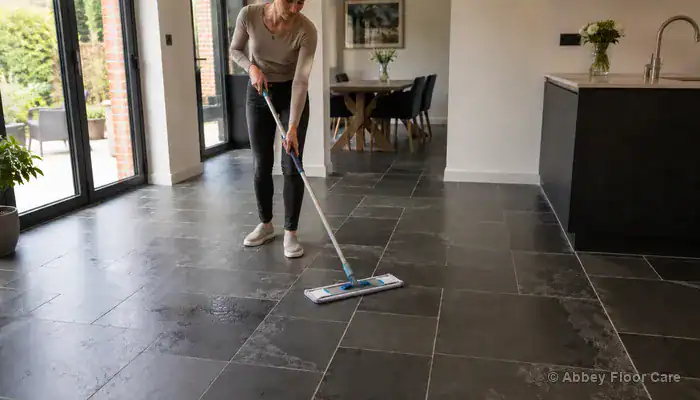
Use a well-wrung mop and work in manageable sections to prevent flooding the area. Standing water can seep into grout lines and, particularly in tiled installations, get underneath the tile backing. This is particularly concerning in older Scottish homes where subfloors may not be equipped to handle modern sealed slate.
Step 4: Always Dry and Buff the Floor
This crucial step is often overlooked in cleaning guidelines. Allowing slate to air-dry can lead to subtle water spots as moisture evaporates unevenly from its textured surface. Immediately buffing the floor with a dry, soft towel after mopping prevents this issue and enhances the stone’s natural sheen. This step elevates a floor from merely appearing “clean” to genuinely reflecting careful upkeep.
How to Effectively Tackle Stubborn Stains with Natural Remedies
For grease or oil stains, mix baking soda with a small amount of water to create a paste. Baking soda is alkaline, which allows it to lift stains without damaging the stone. Apply the paste to the stain and let it sit for several hours—or overnight for more persistent marks—before wiping it away with a damp cloth.
To clean dirty grout lines, utilise a soft-bristled brush. Avoid steel wool or scouring pads, as these can scratch the surrounding slate. While abrasive pads might seem effective initially, they leave fine scratches that dull the stone and attract dirt over time.
How to Protect Your Slate Floor from the Harsh West Dunbartonshire Weather
The unpredictable Scottish weather can take a toll on flooring. Implementing proactive measures can significantly extend the life of your slate floor between deep cleaning sessions:
- Install heavy-duty doormats at all entry points, especially if your family frequently walks near Loch Lomond or along the Clyde. Grit and mud are significant factors in surface wear on slate.
- Implement a “no shoes indoors” policy during the wetter months, which dominate the year in West Dunbartonshire.
- Promptly dry wet areas after rainfall. Older stone-built homes in the region often struggle with dampness, and excess moisture can jeopardise both the slate and its sealant.
- Conduct regular resealing assessments. A simple water-drop test—dripping a small amount of water onto the surface and observing whether it beads or soaks in—will indicate if your sealant remains effective.
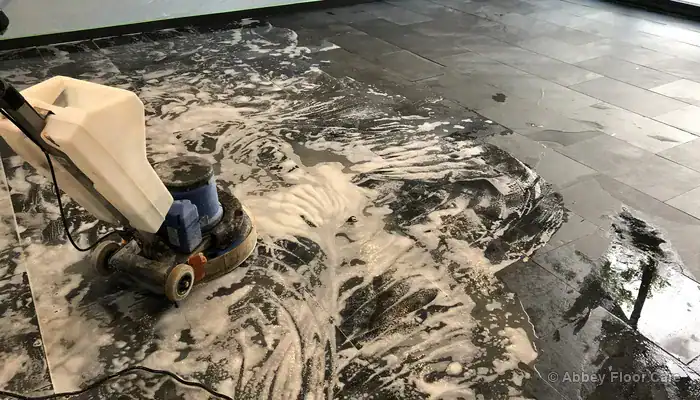
When to Consult Abbey Floor Care for Professional Assistance
Although regular cleaning keeps your slate floor in top condition, some tasks are better suited for professionals. Recognising these boundaries is crucial:
- Deep scratches or chips in the stone require professional-grade filling and polishing to achieve a flawless finish.
- Removing old, discoloured acrylic sealers demands specialised tools and chemicals to avoid damaging the underlying slate.
- Diamond-pad polishing is essential for restoring shine and evening out wear on floors that have lost their luster over time.
- Deep sealing involves stripping the floor down to bare, clean stone rather than simply mopping and drying.
If your slate floor in West Dunbartonshire appears lacklustre despite your diligent cleaning efforts, or if you are uncertain whether it requires resealing, Abbey Floor Care offers professional assessments and restoration services throughout Dumbarton, Clydebank, Alexandria, and nearby areas. Reach out to us for honest advice on whether your floor needs expert intervention or just a more effective cleaning routine.
The Article Natural Slate Floor Care: The Safe Way to Clean Slate Without Damaging It (West Dunbartonshire Guide) first found on https://www.abbeyfloorcare.co.uk
The Article Slate Floor Care: Safely Clean Your Natural Slate in West Dunbartonshire appeared first on https://fabritec.org
The Article Slate Floor Care Tips for Safe Cleaning in West Dunbartonshire Was Found On https://limitsofstrategy.com
References:
Slate Floor Care Tips for Safe Cleaning in West Dunbartonshire
https://homerenonews.com.au/slate-floor-care-tips-for-safe-cleaning-in-dunbartonshire/