Installing ducted heating requires the setup of a central unit that distributes warm or cool air throughout your home via ducts situated in the ceiling or beneath the floor. Each room receives airflow through strategically placed vents, while a wall-mounted controller allows for easy temperature management, ensuring comprehensive climate control across your entire property. In Melbourne, many homeowners opt for electric reverse cycle ducted heating, a system that efficiently provides both heating in winter and cooling in summer using the same vents. Gas ducted heating is another available option, and this guide offers a detailed comparison of both systems.
This comprehensive guide outlines the installation process for ducted heating, addressing key factors such as system sizing, zoning, ductwork, the outdoor unit, and what to expect on installation day. We will also delve into the operating costs associated with gas systems, the Victorian Energy Upgrades (VEU) rebate applicable to the transition to electric systems, and essential questions to pose to any installer before finalising your decision.
Essential Insights on Ducted Heating Installation
- As reported by the Australian Government’s energy.gov.au, reverse cycle air conditioners exhibit efficiency ratings between 300% and 600%.
- Energy.gov.au highlights that ducted reverse cycle systems operate more cost-effectively compared to gas heating systems.
- Most installations can usually be completed within a single day, although larger homes or more complex duct configurations may require an additional day.
- The VEU rebate can be claimed when replacing an old gas heater with a qualifying reverse cycle system.

Which Ducted Heating Systems Are Available for Your Home?
Homeowners in Melbourne can choose from two primary types of ducted heating systems, with the option to add cooling capabilities to an existing gas system.
- <a href="https://writebuff.com/air-conditioner-summer-ready-6-signs-you-must-check/">Electric Reverse Cycle Ducted Heating and Cooling.</a> This system features both an outdoor and indoor unit, collaborating to heat or cool your entire home through a single set of vents. It is the most commonly installed system, with additional information available on our ducted reverse cycle air conditioning page.
- Gas Ducted Heating. A gas furnace generates warm air, which is circulated via ducts with the help of a fan. Although gas ducted heating installations still occur, many Melbourne homeowners are now opting to move away from gas instead of installing new gas heaters.
- Add-on Cooling for Existing Gas Heaters. If your gas ducted heater is relatively modern, an add-on cooling system can be integrated, utilising the same ducts and controller to deliver cooling.
If your gas heater is outdated, requiring frequent repairs or resulting in high operational costs, consider upgrading to an electric reverse cycle ducted system. This option provides both heating and cooling in one installation. Our detailed guide on replacing gas ducted heating with electric options offers further insights into making this transition.
What Is the Mechanism Behind Reverse Cycle Ducted Heating?
Reverse cycle ducted heating works by transferring heat instead of generating it. The Australian Government’s energy.gov.au heating and cooling guide states that reverse cycle air conditioners can convert one unit of electrical energy into three to six times more heating or cooling energy, achieving efficiency ratings of 300% to 600%. In contrast, an electric bar heater converts one unit of electricity into one unit of heat.
In winter, the outdoor unit extracts heat from the air outside and transports it indoors through refrigerant pipes. The indoor unit, situated in the roof space or under the floor, distributes this warm air through the ducts to each vent. The process reverses in summer, enabling the system to cool your home effectively. For a more detailed explanation of how a refrigerated reverse cycle system operates, please refer to our article outlining each component.
How to Properly Size Ducted Heating for Your Home?
Proper sizing is essential to ensure a ducted heating system operates efficiently during Melbourne’s brisk mornings. An undersized system struggles to adequately warm distant rooms, while an oversized system incurs unnecessary costs. Energy.gov.au advises selecting a model with the correct capacity for your home and consulting experts before making significant purchases like ducted heating and cooling.
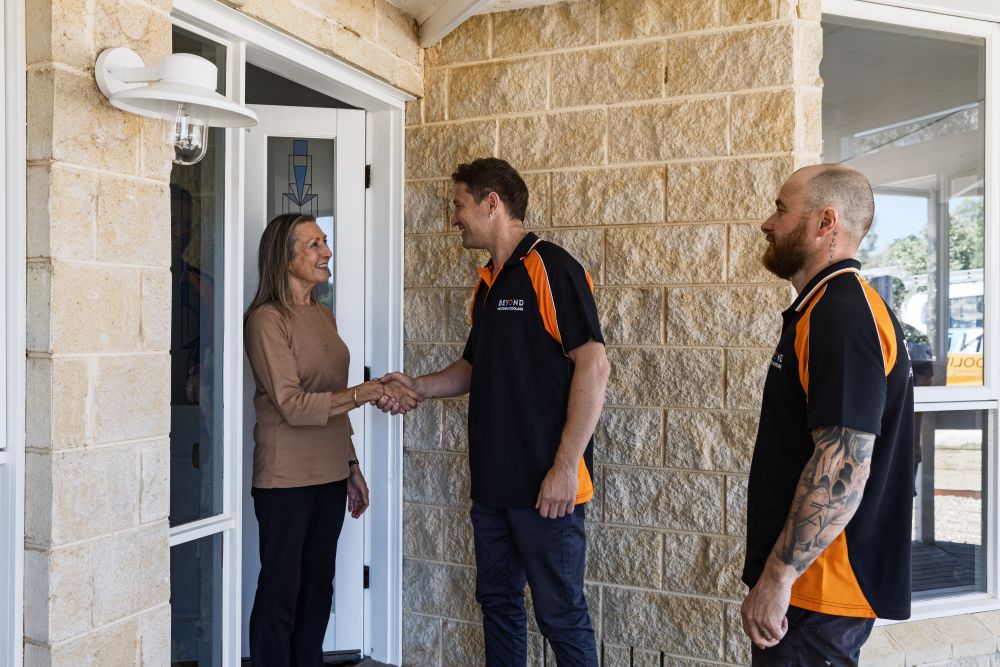
During our home assessment, we evaluate the number of rooms and vents, the duct routing (whether through the ceiling or under the floor), whether your home is single or multi-storey, and the intended use of each room. Providing house plans can assist us in determining duct runs before our visit. For in-depth guidance on sizing a ducted heating system tailored to your Melbourne home, refer to our sizing guide.
Why Is Zoning a Valuable Feature for Your New Ducted Heating System?
Zoning functionality enables you to control which rooms receive heating. For instance, you might prefer to keep bedrooms unheated during the day and living areas unheated at night, rather than heating the entire house simultaneously. If your previous gas ducted heater lacked zoning capabilities, it is advisable to install a zoned system during the new installation, as it simplifies the configuration process.
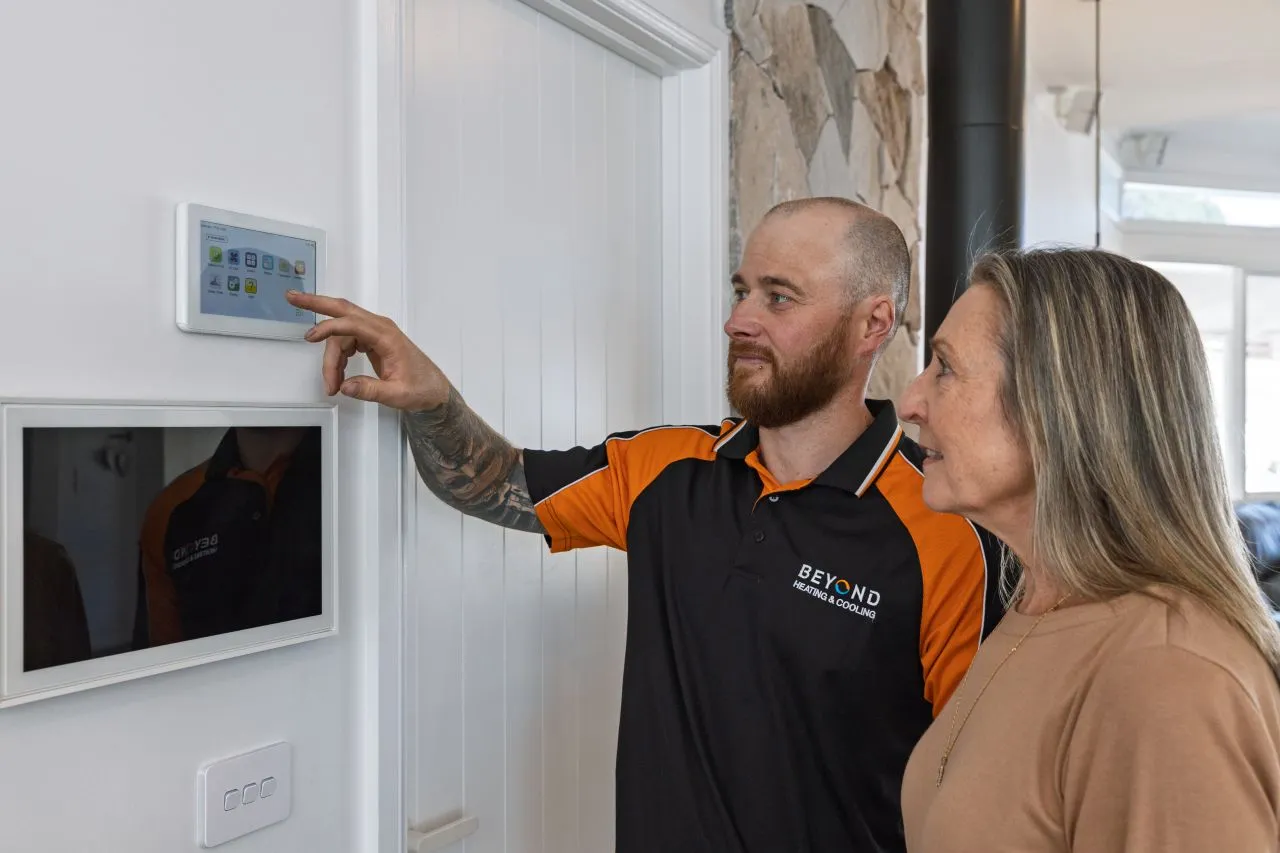
Thermostat settings also play a significant role. Energy.gov.au states that increasing heating by each degree in winter can boost your energy consumption by 5% to 10%. Most systems we install can be controlled via mobile applications, allowing you to activate the heating before returning home from work, ensuring a warm environment upon your arrival without the need for continuous operation throughout the day.
What Modifications Are Made to Ductwork and Vents During Installation?
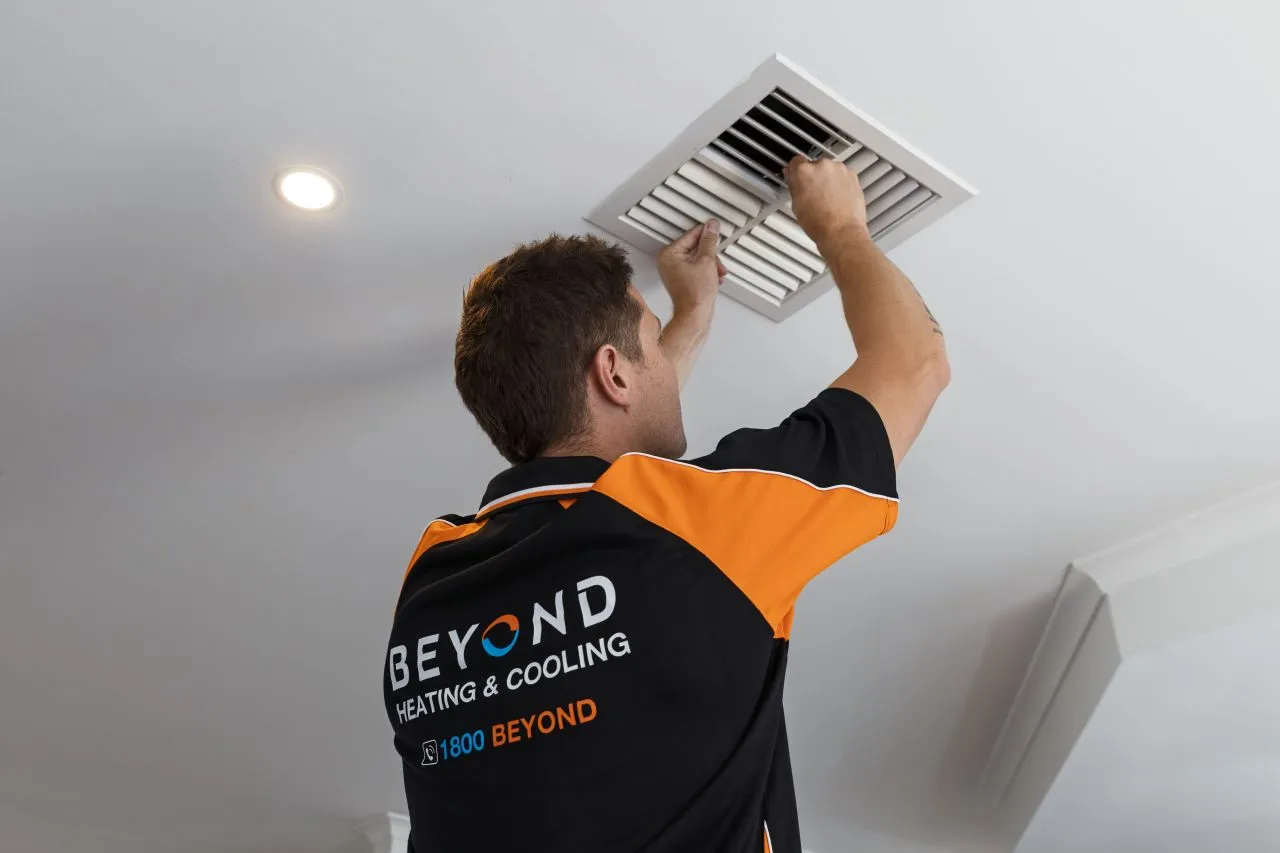
New ducting is installed with every system installation. Existing ducting from an old gas heater often does not accommodate a reverse cycle system and is typically filled with dust from years of use. The new ducting is appropriately sized for both heating and cooling, connecting to the same outlet points in your ceiling or floor, resulting in new vents and grilles rather than patched openings from the previous system.
For ceiling installations, we access the roof space by removing tiles or sheets, dismantling the old unit and ducts, and fitting the new system and ductwork in their place. Approximately one-third of the homes we encounter have floor ducting, where the indoor unit is installed in the subfloor, necessitating careful handling due to limited access.
What Is the Ideal Location for the Outdoor Unit?
A reverse cycle ducted system comprises both an outdoor and an indoor unit connected through pipes that carry refrigerant. The outdoor unit must be positioned outside the house. We discuss its location with you during the in-home assessment, and if your property presents challenges, we identify the most suitable site prior to the installation day.
What Is the Typical Timeline for Ducted Heating Installation?
Most ducted heating installations are completed within a single day. Larger homes or more intricate duct layouts may extend the installation to a second day. We confirm the expected duration during our assessment, ensuring you are informed about what to anticipate before work begins.
On installation day, our team removes the old heater, installs the new ducting and vents, sets up both the indoor and outdoor units, and connects the controller. As licensed mechanical plumbers, we can also cap the gas line of the old heater during the installation, eliminating the need for a separate tradesperson. If you continue to use gas for hot water or cooking, those connections remain intact. Before we conclude our visit, we ensure that the new system operates correctly and provide instructions on how to use the controls.
For detailed information on what to expect on installation day, refer to our article outlining the heating and cooling installation process.
How Do Operating Costs of Ducted Reverse Cycle Heating Compare to Gas Ducted Heating?
According to Energy.gov.au, the operational costs for ducted gas heating can be substantial due to high gas consumption and the electricity required for the fans. In contrast, ducted reverse cycle systems are generally regarded as more economical than gas heating. Ducted systems are typically less efficient than wall-mounted units, largely due to larger fans and energy loss through ductwork, making proper sizing and duct design vital.
Your running costs will depend on your home’s size, insulation quality, zoning usage, and whether you have solar panels installed. A reverse cycle system can utilise your solar power during daylight hours, a benefit unavailable with gas heating. Our comparison of ducted gas and reverse cycle heating for Melbourne homes provides an extensive analysis of running cost figures.
How Does the VEU Rebate Facilitate the Shift from Gas Ducted Heating?
The Victorian Energy Upgrades (VEU) programme incentivises households that transition from gas heating to an efficient electric system. The rebate applies when an existing gas heating appliance is removed and replaced with a qualifying premium inverter reverse cycle system. Typically, if a home has never had gas heating, the rebate will not apply.
We handle all VEU documentation during the installation process, and the rebate is deducted from your payment at the point of sale, so you do not need to fill out forms or wait for a refund. Our article on the VEU rebate clarifies the eligibility criteria and coverage details.
What Key Questions Should You Ask Before Accepting a Ducted Heating Installation Quote?
Evaluating ducted heating quotes can be complex, as one quote may include elements that another omits. Use these questions to effectively assess quotes:
- Is the quoted price all-inclusive, with the VEU rebate already considered?
- Does the quote encompass new ducting and vents, or does it suggest reusing existing ducts?
- Was the system sized based on an in-home assessment or merely through a phone consultation?
- Is zoning included, and how many zones does the quote cover?
- Who is responsible for removing the old gas heater and capping the gas line?
- Will the installation be conducted by the installer’s own team or subcontracted?
- What workmanship guarantee accompanies the installation?
Select Beyond Heating and Cooling for Dependable Ducted Heating Installation in Melbourne’s Northern Suburbs
Beyond Heating and Cooling offers professional installation of ducted heating and cooling systems across Melbourne’s northern and northeastern suburbs. Our team consists of qualified refrigeration mechanics and mechanical plumbers who specialise in both refrigerant and gas systems. We hold an ARC refrigerant handling licence (L073783), and all installations are executed by our licensed team, not subcontractors. We provide a robust workmanship guarantee for our services.
Every quote begins with a complimentary in-home assessment. We evaluate your current heating system, ducts, and home layout, discuss the most suitable system options, and provide a quote that includes the VEU rebate where applicable. We collaborate with a wide range of leading heating and cooling brands to recommend the best system tailored to your needs.
If you are considering installing new ducted heating, contact us at 1800 239 663 or request a quote online. Adam or another team member will be delighted to assist you in exploring your home’s options. You can also view our full range of ducted heating and cooling installations.
Original Article First Published At: Installing Ducted Heating And The Options
The Article: Ducted Heating Installation: Exploring Your Options first appeared on https://writebuff.com
The post Ducted Heating Installation Options You Should Consider appeared first on Limits Of Strategy.