Unlock the Secrets to Effective Zero-Waste Meal Preparation Techniques
What Fundamental Principles Shape the World of Zero-Waste Cooking?
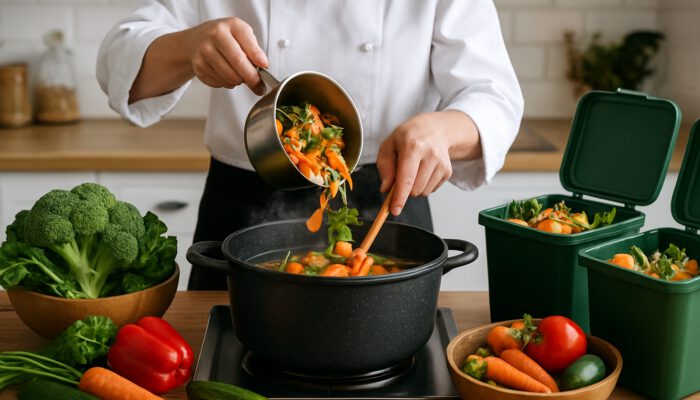
Zero-waste cooking embodies an innovative philosophy that prioritises the complete use of every food item, thereby dramatically reducing waste in our kitchens. This transformative approach incorporates techniques such as converting vegetable scraps into flavourful, nutrient-rich stocks, composting unusable parts, and employing mindful preparation strategies that collectively lessen our ecological footprint. By integrating sustainability into our culinary routines, we not only minimise waste production but also cultivate an environmentally conscious lifestyle that aligns with our core values and aspirations for a healthier planet.
The essence of zero-waste cooking is grounded in actionable practices. By rethinking our food handling methods, we can entirely alter our cooking habits. Every peel, stem, and leftover can be ingeniously repurposed, fostering a shift from a wasteful perspective to one of creative resourcefulness. Adopting these innovative practices not only leads to delightful meals but also deepens our appreciation for the ingredients we utilise, allowing us to recognise their intrinsic value and potential.
This philosophy encourages a profound reflection on our sourcing and utilisation of food in everyday life, urging us to harness the full potential of our ingredients. By nurturing a culture of zero-waste cooking, we actively contribute to the development of a more sustainable food system that reflects our commitment to minimising our environmental impact and fostering a greener future.
Why Is It Beneficial to Embrace Zero-Waste Cooking Habits?
The benefits of adopting zero-waste habits extend far beyond merely reducing garbage. By creatively reusing leftovers and avoiding unnecessary purchases, you can conserve precious resources and save money in the process. This sustainable lifestyle promotes healthier eating habits while enhancing cost-effectiveness and inspiring innovative culinary creations, all while adhering to sustainable living principles that benefit both our health and the planet.
Integrating zero-waste cooking into your daily routine fosters a deeper appreciation for food and reduces reliance on single-use items. As we learn to make the most of what we have, our cooking practices evolve into more imaginative and resourceful endeavours. The long-term advantages include enhanced health outcomes stemming from a diet rich in whole foods, coupled with the rewarding sensation of making a positive impact on the environment.
By cultivating a mindset that prioritises sustainability, we can motivate those around us to join this movement, creating a ripple effect that elevates awareness and accountability regarding food waste. This proactive stance leads to significant environmental improvements, safeguarding natural resources and nurturing a cleaner, healthier ecosystem for generations to come.
What Key Ingredients Are Essential for Crafting Zero-Waste Meals?
To effectively design zero-waste meals, it’s essential to focus on versatile ingredients that can be fully utilised. Here are some common staples to consider:
- Vegetables: Incorporate stems and leaves into stocks or stir-fries to prevent waste and maximise flavour.
- Fruits: Utilise peels in smoothies or as zest for an extra burst of flavour and nutrition.
- Grains: Repurpose leftover cooked grains into salads or fritters for a satisfying meal.
- Herbs: Transform wilting herbs into pestos or include them as flavour enhancers in broths.
- Legumes: Add leftover beans to salads or blend them into dips for healthy snacks.
- Eggs: Make use of leftover whites or yolks in omelettes or baked goods.
- Breads: Transform stale bread into homemade croutons or breadcrumbs for added texture.
- Nuts: Use leftover nut pulp from milks in baking or as a substitute for flour.
These versatile ingredients are perfect for innovative meal planning and facilitate minimal waste. By incorporating such items into your culinary practices, you not only enhance your meals but also significantly reduce the likelihood of food being discarded. The key lies in creative thinking and exploring various methods to utilise all available ingredients, which is vital for maintaining a sustainable kitchen.
How Does the Zero-Waste Cooking Process Work?
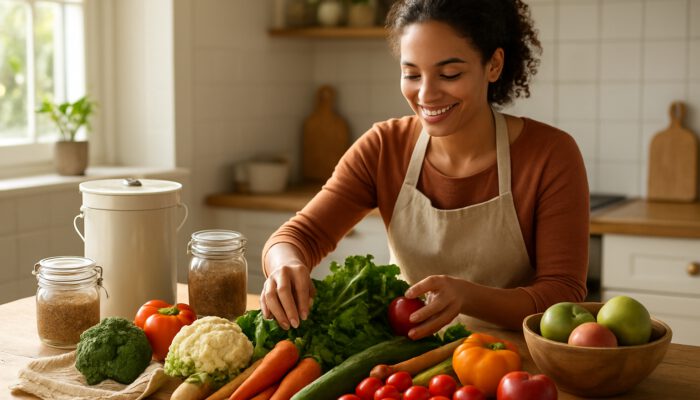
What Initial Actions Can You Take to Launch Your Zero-Waste Meal Prep Journey?
To embark on your journey towards effective zero-waste meal preparation, start by assessing your kitchen inventory. This essential first step enables you to identify which ingredients you currently possess and encourages you to plan meals that feature these existing items. Begin with a thorough examination of your pantry, fridge, and freezer, pinpointing ingredients that are approaching expiration or leftovers that are ready to be transformed into something delicious.
Next, concentrate on techniques such as freezing, fermenting, or pickling to extend the lifespan of your ingredients. Freezing fresh produce that you cannot utilise immediately ensures it remains usable for future meals. Additionally, fermenting vegetables not only enhances their flavour but also provides valuable probiotic benefits. By thinking creatively and strategically, you can prepare balanced dishes with minimal effort while maximising taste.
Finally, establish a weekly meal plan that incorporates these elements, streamlining your shopping and cooking processes. By pre-preparing meals, you simplify adherence to your zero-waste goals while indulging in delicious food that aligns with sustainable practices and principles.
Which Tools Are Essential for Achieving Success in Zero-Waste Cooking?
Equipping yourself with the right tools significantly enhances your experience in zero-waste cooking. Key items include reusable containers, which enable efficient storage of leftovers and prepared ingredients, greatly reducing reliance on single-use plastics. Investing in durable glass or stainless steel containers that can be reused consistently is crucial for maintaining a sustainable kitchen.
Another indispensable tool is a sharp set of knives for precise cutting. Efficiently utilising produce is vital in zero-waste cooking, and a set of sharp knives allows you to maximise every part of an ingredient effortlessly. Consider adding a food processor or blender to your kitchen arsenal, as these appliances can assist in transforming scraps into soups, smoothies, or sauces, further minimising waste.
Lastly, having a reliable composter or worm bin is an excellent addition for converting kitchen scraps into valuable compost. This practice not only diverts waste from landfills but also enriches your garden soil, creating a sustainable cycle of nourishment that supports a thriving ecosystem. With the right tools, you empower yourself to fully embrace zero-waste cooking, ensuring you are well-prepared to optimise your ingredients.
What Challenges Might You Face in Maintaining Consistency with Zero-Waste Practices?
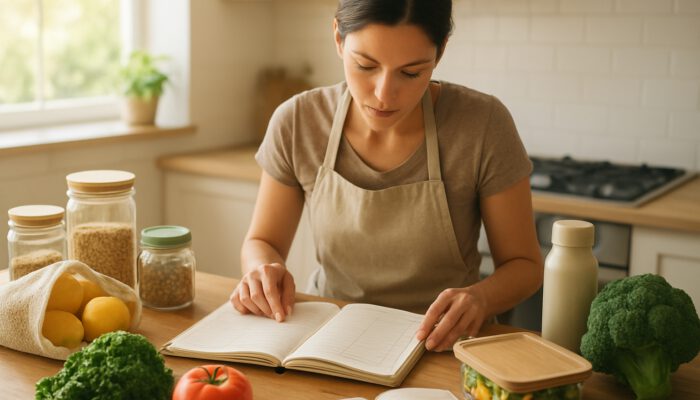
Consistency in zero-waste cooking can be challenging to uphold, especially in today’s fast-paced environment. Forgetfulness often undermines efforts, leading to food waste that could have been avoided. One effective strategy to counter this is by establishing clear routines that reinforce your commitment to zero-waste practices.
Consider dedicating a specific day for meal planning and inventory management, ensuring you are consistently aware of what you have available. Additionally, keep a simple log or journal to document the meals you prepare and the ingredients you utilise. This tracking method can help you identify patterns and progress, motivating you to remain dedicated to your zero-waste journey.
As you cultivate these habits, they will gradually become integrated into your daily routine, transforming zero-waste cooking from a chore into a fulfilling lifestyle choice. Building awareness and accountability around your practices will lead to greater consistency and success in minimising waste.
Expert Techniques for Efficient Zero-Waste Meal Preparation
What Practical Steps Do Professionals Recommend for Effective Zero-Waste Cooking?
Experts recommend beginning with simple techniques to facilitate zero-waste meal preparation. One of the most effective methods is batch meal prepping. This practice streamlines your cooking process and significantly reduces waste by ensuring that ingredients are used efficiently.
Start by selecting a few recipes that share similar ingredients, allowing you to maximise the use of your items. For example, if you buy a bunch of spinach, consider preparing a salad, a soup, and a smoothie to ensure that no leaves go to waste. By cooking multiple meals at once, you save time and energy, making the cooking experience more enjoyable and efficient.
Additionally, incorporate leftover management into your meal prep. Designate containers specifically for leftovers, ensuring they are easily accessible for future meals. This proactive strategy encourages consumption rather than disposal, enabling you to uphold your zero-waste objectives with minimal effort.
How Can Research Inspire Creative Recipes for Zero-Waste Cooking?
Adapting traditional recipes to align with a zero-waste approach requires ingenuity and a keen understanding of ingredient potential. Numerous real-world examples illustrate how families can innovate their recipes while significantly reducing waste. For instance, using cauliflower stems and leaves to craft a flavourful stir-fry not only boosts nutrition but also prevents these nutritious parts from being discarded.
Research indicates that innovative recipe adaptations lead to lower ecological footprints. By exploring plant-based alternatives and incorporating lesser-used ingredients into meals, home cooks can dramatically reduce food waste while preserving taste and nutritional value. Embracing diverse culinary influences fosters inspiration for new dishes that fully utilise available ingredients.
Being open to experimentation encourages culinary exploration while ensuring food resources are treated with respect and utilised to their fullest potential. This not only nurtures creativity in the kitchen but also aligns with sustainable practices that contribute to a healthier planet.
What Reliable Strategies Ensure Long-Term Success in Zero-Waste Cooking?
To achieve lasting success in your zero-waste cooking journey, experts recommend integrating sustainable practices into your daily routine. Monitoring your usage patterns helps refine habits and pinpoint areas for improvement. By recognising which ingredients frequently go to waste, you can adjust your shopping and cooking habits accordingly.
Consider setting realistic goals and celebrating milestones along the way. For example, if you manage to reduce your food waste by a designated percentage within a month, reward yourself with a new sustainable kitchen tool or a day spent enjoying nature. These positive reinforcement techniques not only motivate you but also strengthen your commitment to achieving sustainable outcomes.
Moreover, involve your family or housemates in the process, fostering a collective dedication to zero-waste practices. Sharing responsibilities and ideas can strengthen bonds while promoting a community-focused approach to sustainability. Through collaboration, you will find greater success and enjoyment in your zero-waste cooking efforts.
How Can You Select and Source Sustainable Ingredients for Your Meals?
When selecting ingredients for zero-waste meals, professionals suggest prioritising locally sourced, seasonal produce. This practice not only reduces waste but also enhances the quality of your meals. Seasonal produce is often fresher and requires less processing and packaging, making it a more sustainable option.
Planning your purchases based on seasonal availability helps diminish the carbon footprint associated with transportation and supports local farmers. Visiting farmers’ markets or joining community-supported agriculture (CSA) programs allows you to access fresh produce directly from growers, fostering a sense of community while aligning your consumption with sustainable practices.
Lastly, consider bulk purchasing for pantry essentials like grains, beans, and nuts. This approach eliminates excessive packaging and allows you to use only what you need, thereby reducing spoilage. By incorporating these strategies into your shopping habits, you will enrich the quality of your meals while actively promoting sustainability within your local community.
What Benefits Do Zero-Waste Meals Provide?
How Do Zero-Waste Meals Contribute to Enhanced Health Outcomes?
Zero-waste meals encourage a focus on whole foods, fostering a nutrient-dense diet that supports overall health and wellness. By using fresh ingredients and minimising processed additives, individuals can benefit from a diet rich in essential vitamins and minerals, contributing to balanced health over time.
Moreover, zero-waste cooking cultivates a deeper connection to food that promotes mindfulness in eating. As we learn to appreciate every bite, we become more attuned to our nutritional needs, leading to healthier food choices. Emphasising the use of fruits, vegetables, whole grains, and proteins in our meals contributes to a more satisfying and healthful diet.
Additionally, engaging in zero-waste practices can yield positive psychological effects. The satisfaction of creating meals that honour sustainability fosters a sense of accomplishment and purpose. This holistic approach to cooking nourishes the body while also providing mental and emotional benefits that enhance overall well-being.
What Environmental Advantages Does Zero-Waste Cooking Offer?
Zero-waste cooking significantly decreases resource consumption, making it a powerful strategy for environmental conservation. By minimising reliance on disposables and focusing on repurposing ingredients, individuals contribute to fostering a cleaner ecosystem. This approach prioritises practices that emphasise reuse and recycling in meal preparation, effectively minimising waste and reducing our ecological footprint.
The environmental benefits of this method extend to preserving biodiversity. By opting for locally sourced and seasonal produce, we support sustainable agricultural practices that enhance soil health and protect local ecosystems. This interconnectedness helps sustain our planet’s resources for future generations, ensuring a vibrant and thriving environment.
Furthermore, participating in zero-waste cooking can inspire broader societal changes. As more individuals adopt these practices, it fosters a cultural shift towards responsible consumption and environmental awareness, motivating communities to take collective action to address waste-related challenges.
What Financial Benefits Result from Zero-Waste Practices?
Embracing zero-waste practices can lead to significant financial advantages for households. By purchasing only essentials and creatively repurposing items, individuals can save substantial amounts of money while developing skills for budget-friendly cooking. This frugality enhances overall household efficiency and encourages a mindful approach to spending.
Additionally, zero-waste practices prompt individuals to think innovatively about their food, fostering resourcefulness in meal planning and preparation. By transforming leftovers into new dishes or discovering creative uses for scraps, households can stretch their food budget further and reduce dependence on costly processed foods.
Consequently, zero-waste cooking empowers families to make informed choices regarding their purchasing habits, ultimately contributing to financial sustainability. This newfound awareness cultivates a sense of responsibility, encouraging individuals to invest in quality ingredients that provide long-term value for both their health and the environment.
How Do Zero-Waste Meals Promote Community Engagement?
Zero-waste meals significantly enhance community involvement by fostering the sharing of resources and knowledge among individuals. This collaborative approach encourages events such as community swap meets or local cooking classes, where participants can exchange ideas and learn sustainable cooking techniques.
These community initiatives strengthen social bonds and inspire collective responsibility for the environment. By coming together to tackle food waste, neighbourhoods can enhance networks through collaborative efforts, ensuring that everyone plays a role in promoting sustainability.
Moreover, zero-waste practices can serve as a catalyst for local activism, motivating individuals to advocate for policies that support environmental sustainability. This engagement fosters a sense of empowerment as communities unite to address food waste issues and promote responsible consumption.
Through shared experiences and collective action, zero-waste meals not only nourish bodies but also nurture communities, creating a united front in the pursuit of a healthier planet.
Proven Techniques for Seamless Zero-Waste Meal Preparation
What Essential Strategies Can Be Gleaned from Trusted Sources?
Implementing effective techniques from reputable sources can significantly enhance your ability to create zero-waste meals. One of the simplest strategies involves precise portioning to prevent overbuying ingredients. By understanding serving sizes and the amount of food required, you can ensure that meals are both waste-free and straightforward.
Utilising meal planning tools or apps can assist you in organising your meals more efficiently. These resources guide you in shopping for precisely what you need, preventing impulse purchases that often lead to waste. Additionally, consider batch cooking and freezing portions for future meals, allowing you to maximise ingredient usage while minimising waste.
Furthermore, connecting with local community groups focused on sustainability can provide valuable insights and techniques. Sharing experiences and learning from others can inspire new strategies that make zero-waste cooking achievable for everyone, irrespective of their culinary skill level.
How Can Real-World Applications Simplify Your Meal Planning Process?
Incorporating real-world applications into your meal planning can significantly streamline the process of adopting zero-waste practices. Start by developing a repertoire of versatile recipes that facilitate the integration of scraps and leftover ingredients. For instance, crafting a stir-fry with assorted vegetables can help utilise what you have on hand while minimising waste.
Employ creative methods to transform scraps into new recipes. For example, vegetable peels can be roasted or blended into dips, while stale bread can be repurposed into croutons or breadcrumbs. By consistently incorporating these practices into your cooking routine, creating zero-waste meals will become second nature.
By focusing on adaptability and flexibility in your meal planning, you can make zero-waste cooking not only achievable but enjoyable. This mindset encourages continuous innovation in the kitchen, allowing you to explore new culinary possibilities while respecting and honouring your ingredients.
What Effective Methods Can You Use to Measure Progress in Zero-Waste Cooking?
Effectively tracking your progress in your zero-waste journey provides valuable insights and motivation. One simple way to monitor your usage is by maintaining a waste log that records the quantity and types of food discarded over time. This practice helps identify patterns, enabling you to make informed adjustments to your cooking and shopping habits.
Consider setting specific benchmarks, such as reducing food waste by a certain percentage each month or committing to using all leftovers within a week. These goals create accountability and encourage sustained effort towards minimising waste. Regularly reviewing your waste log can also reveal successes and areas for improvement, reinforcing your commitment to zero-waste practices.
Additionally, collaborating with friends or family members on a shared zero-waste challenge can foster a supportive environment and keep everyone motivated. This camaraderie not only encourages accountability but also makes the journey more enjoyable as you celebrate progress together.
Core Ingredients for Effective Zero-Waste Cooking
What Essential Staples Help Minimise Waste in Your Kitchen?
As you embark on your zero-waste cooking journey, stocking your pantry with essential staples that help minimise waste is crucial. Ingredients like roots and herbs store well, allowing for flexible use in a variety of dishes while maintaining freshness. Items such as potatoes, carrots, and onions offer longevity, making them excellent foundational ingredients for countless recipes.
Herbs also play a vital role in enhancing meals and can often be used in their entirety. For example, both the stems and leaves of herbs like cilantro and parsley can add depth to stocks or sauces. By integrating these staples into your culinary practices, you can reduce spoilage while maximising ingredient usage and value.
Moreover, incorporating grains and legumes into your meals offers versatility and a solid base that complements many dishes. These staples contribute to well-rounded meals while ensuring minimal waste due to their long shelf life. By focusing on these core ingredients, you will find it easier to create delicious zero-waste meals without unnecessary discards.
How Can You Identify and Choose Seasonal Options for Your Meals?
Selecting seasonal produce is a fundamental aspect of zero-waste cooking that supports both quality and sustainability. In-season fruits and vegetables are typically fresher, tastier, and more affordable, making them ideal for effective meal planning. Seasonal options are often grown closer to home, thereby reducing the carbon footprint associated with transportation.
To choose seasonal produce, consider researching local growing seasons or visiting farmers’ markets. Engaging with local farmers can provide insights into what is currently available and at its peak flavour. Additionally, seasonal produce can inspire a diverse array of meals, allowing you to experiment and innovate based on what is fresh and ripe.
Incorporating seasonal ingredients into your cooking not only highlights the bounty of nature but also fosters a connection to the land and community. This practice enhances the quality of your meals while promoting sustainability and reducing waste through mindful consumption.
What Effective Storage Methods Ensure the Longevity of Your Ingredients?
Utilising proper food storage techniques is critical for extending the lifespan of your ingredients and minimising waste. One effective method involves using airtight seals to keep produce fresh for longer periods. This technique prevents moisture loss and protects food from spoilage, ensuring that items remain viable for your zero-waste meals.
Consider investing in reusable silicone bags or glass containers that can be sealed tightly. Additionally, labelling containers with dates can assist in monitoring freshness and preventing items from being neglected in the back of the fridge. For bulk items like grains and legumes, store them in cool, dry, and dark locations to maintain their quality and extend their usability.
Implementing proper storage methods helps preserve the freshness of your ingredients, enabling creative meal planning and minimising food waste. By adopting these practices, you can ensure your kitchen is equipped to support your sustainable cooking efforts effortlessly.
What Common Challenges Might Arise on Your Zero-Waste Journey?
What Barriers Can You Encounter in Your Daily Routines?
Common barriers to maintaining a zero-waste lifestyle often arise from time constraints and busy schedules. Many individuals find that meal planning and preparation can be overwhelming, leading to reliance on convenience foods that contribute to waste. However, implementing quick strategies like batch cooking can effectively address these challenges.
Batch cooking involves preparing larger quantities of meals at once, allowing you to save time during the week while ensuring minimal waste. By dedicating a few hours on the weekend to cook and store meals, you can simplify your weekday routine and make zero-waste meals more manageable and achievable.
Additionally, develop a habit of checking your pantry and fridge weekly to keep track of what needs to be used. This proactive approach can help you feel more in control and reduce the likelihood of food going to waste, making zero-waste cooking a more attainable goal in your daily life.
What Solutions Exist for Ingredient Limitations in Zero-Waste Cooking?
Ingredient limitations can pose challenges when trying to create zero-waste meals, but they can also inspire creative problem-solving. When faced with limited resources, adjusting recipes to incorporate what you have on hand can keep meals varied and enjoyable while preventing waste.
For example, if a recipe calls for a specific vegetable that you do not have, consider substituting it with a similar item or using whatever is available in your fridge. If you have leftover cooked grains, integrate them into soups or stir-fries to enhance texture and nutrition. Embracing a flexible approach to cooking nurtures resourcefulness and keeps meals exciting.
Moreover, engaging with local communities or online forums focused on zero-waste practices can provide inspiration and tips for overcoming ingredient limitations. Sharing experiences with others can lead to innovative ideas that enhance your cooking while minimising waste.
How Can You Sustain Motivation Over the Long Term During Your Zero-Waste Journey?
Maintaining motivation in your zero-waste journey requires setting achievable goals and celebrating milestones along the way. Consider creating a bullet list of rewards for reaching specific achievements. This could include enjoying a special meal, treating yourself to a new sustainable kitchen tool, or participating in a local cooking class.
- Reward yourself with a special treat after a month of zero-waste cooking.
- Attend a workshop to learn new sustainable cooking skills.
- Share your journey on social media to inspire others and receive support.
- Join a community group focused on sustainability for accountability.
- Plan a day trip to a local farm or market to celebrate your success.
By implementing these strategies, you create a sense of accomplishment that propels you further along your path to zero-waste cooking. Additionally, involving friends or family members in your journey can provide support and encouragement, making the process more enjoyable and fulfilling.
Daily Practices for Sustaining Your Zero-Waste Habits
What Simple Routines Can You Integrate into Your Daily Life?
Incorporating simple routines into your daily life can significantly enhance your ability to maintain zero-waste habits. Start with quick checks of your fridge contents each day to ensure nothing is going to waste. This proactive approach allows you to make adjustments to your meal planning based on what needs to be used, preventing spoilage and promoting mindful consumption.
Consider establishing a designated time each week for meal prep, where you can plan your meals, utilise leftovers, and cook in batches. This routine not only streamlines your cooking process but also reinforces your commitment to zero-waste principles. The more consistently you engage in these practices, the more instinctual they will become.
Lastly, find moments throughout your day to reflect on your zero-waste journey. Taking time to appreciate your efforts and recognise your achievements will provide motivation to continue striving towards reducing waste. These small daily habits build a foundation of sustainability that enhances your overall lifestyle.
How Can Creativity Enhance Your Meals in Zero-Waste Cooking?
Creativity plays a crucial role in enriching meals while embracing a zero-waste philosophy. Experimenting with flavours and textures from repurposed items not only keeps your cooking exciting but also nurtures resourcefulness. For instance, using wilting greens in smoothies or incorporating crusts from bread into breadcrumbs illustrates how creativity can transform potential waste into delightful dishes.
Consider creating themed meal nights that challenge you to use specific leftovers or scraps. This approach encourages you to think outside the box and discover new combinations that may become family favourites. The joy of transformation and innovation keeps meal preparation engaging while honouring your commitment to sustainability.
Moreover, drawing inspiration from global cuisines can expand your culinary repertoire and introduce you to new techniques for utilising ingredients. Cultivating creativity in the kitchen enhances your relationship with food and reinforces the satisfaction that comes from reducing waste through imaginative cooking.
How Can You Track and Refine Your Zero-Waste Approach?
Monitoring your habits and refining your strategies is vital to sustaining your zero-waste efforts. Regularly reviewing your cooking and shopping habits will help identify areas for improvement while celebrating successes. Consider keeping a journal that documents not only what you cook but also what goes to waste, allowing you to track your progress over time.
Set aside time each month to evaluate your waste log and assess which strategies have been most effective for you. This reflection period provides an opportunity to make necessary adjustments, ensuring your approach remains aligned with your goals. Engaging in this process will make it easier to maintain zero-waste habits seamlessly in your everyday life.
Furthermore, sharing your experiences with others can provide valuable insights and encouragement. Discussing challenges and successes with friends, family, or online communities can inspire new ideas and enhance your commitment to sustainable practices. By tracking and refining your approach, you ensure that zero-waste cooking becomes an integral part of your lifestyle.
Frequently Asked Questions About Zero-Waste Cooking
What Does Zero-Waste Cooking Entail?
Zero-waste cooking is a sustainable approach aimed at utilising every part of an ingredient, minimising waste and reducing environmental impact through mindful preparation and storage techniques.
How Can Zero-Waste Meals Enhance My Health?
Zero-waste meals promote nutrient-dense eating by utilising whole foods, which supports balanced diets and decreases reliance on processed additives, thereby enhancing overall well-being.
What Are Some Easy Tips for Zero-Waste Cooking?
Some simple tips include meal prepping in batches, creatively using leftovers, and incorporating versatile ingredients that can be fully utilised to minimise waste.
How Can I Store Food to Reduce Waste?
Store food in airtight containers to maintain freshness and label items with dates to monitor their usability and prevent spoilage.
What Tools Are Necessary for Zero-Waste Cooking?
Essential tools include reusable containers, sharp knives for precise cutting, and a food processor or blender for transforming scraps into new meals.
How Can I Involve My Community in Zero-Waste Practices?
Engage your community by organising local swap meets, cooking classes, or sharing resources and knowledge to collaboratively promote sustainable habits.
What Common Challenges Are Encountered in Zero-Waste Cooking?
Common challenges include time constraints, forgetfulness, and ingredient limitations, but establishing routines and creatively adapting recipes can help overcome these barriers.
How Can I Track My Progress in Zero-Waste Cooking?
Track your progress by maintaining a waste log that documents what goes to waste and what you successfully use, allowing for reflection and adjustments to your habits.
What Seasonal Foods Should I Consider for Zero-Waste Meals?
Seasonal foods vary by region, but typically include locally grown fruits and vegetables that are fresher and more affordable, enhancing your zero-waste cooking efforts.
How Do Zero-Waste Meals Promote Sustainability?
Zero-waste meals foster sustainability by reducing food waste, conserving resources, and encouraging responsible consumption practices that positively impact the environment.
Connect with Us on Facebook!
The post How to Make Zero-Waste Meals Easily: Easy Daily Practices appeared first on https://cookinggods.com
The Article Zero-Waste Meals: Simple Daily Tips for Easy Preparation Was Found On https://limitsofstrategy.com