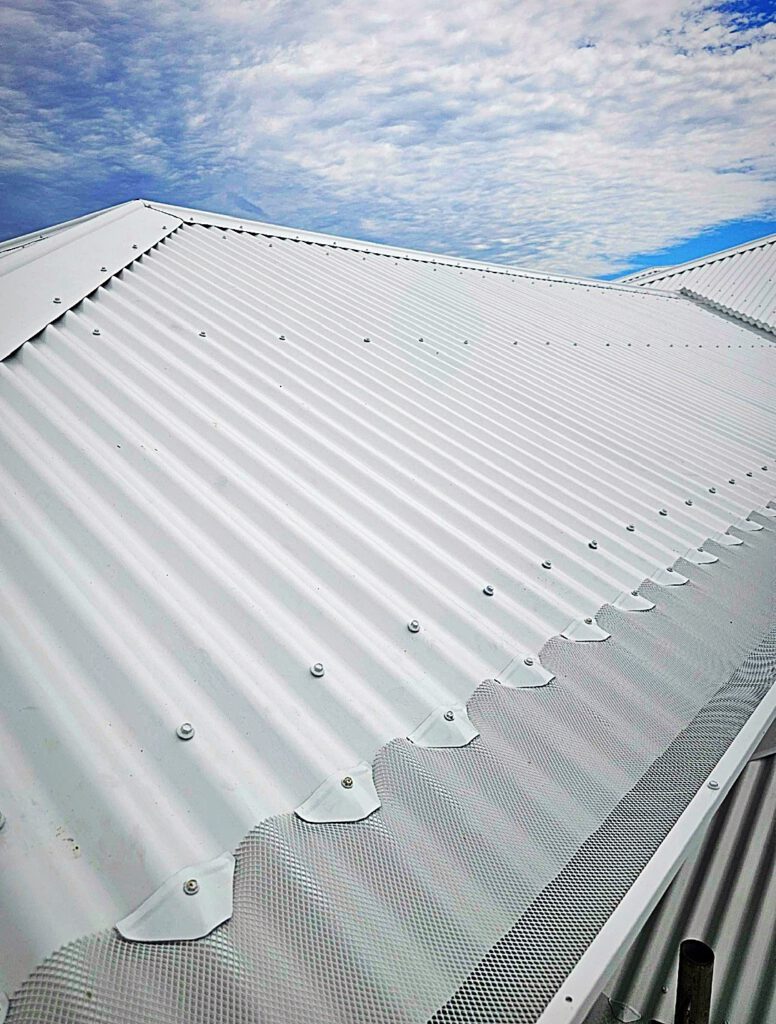
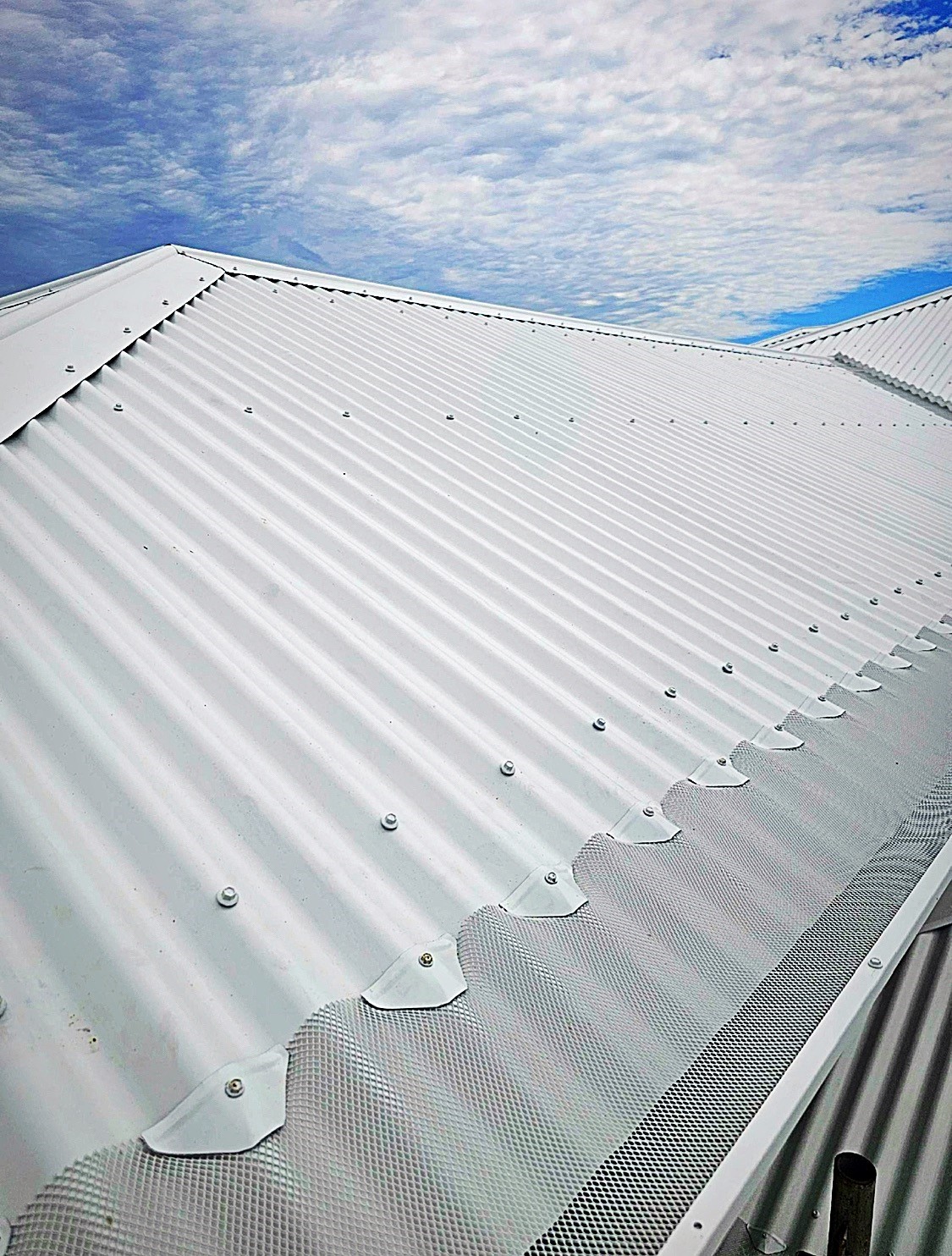
A metal roof is an effective solution for maintaining a comfortable indoor climate, particularly during the scorching summer months. The heat levels in spaces beneath a metal roof depend on various factors, including the roof’s colour, the type of coating on the steel, the insulation placed beneath the roof, and the quality of ventilation in the roof cavity. By optimising these four elements, a metal roof stands out as an excellent choice for withstanding the intense summers typically found on the Central Coast.
Key Takeaways
- The Australian Government’s YourHome guide recommends using light-coloured roofing and foil insulation to effectively reduce radiant heat flow into the roof cavity.
- BlueScope’s Thermatech technology enhances the solar reflectance of Colorbond steel across its core colour range, including some darker shades, except for Night Sky.
- Both insulation and ventilation in the roof space are critical considerations along with the selected roof colour.
How Does a Metal Roof Affect Indoor Temperatures?
A metal roof does not automatically increase the warmth of your home. While metal sheets do absorb heat from sunlight, the key factor is the amount of heat that enters the roof cavity and impacts the ceiling below, which ultimately influences indoor temperature.
According to the Australian Government’s YourHome guide on passive cooling, “The use of foil insulation and light-coloured roofing limits radiant heat flow into the roof space.” This highlights the importance of roof colour and the materials used beneath it in managing indoor temperatures effectively.
A darker roof without proper insulation can trap more heat compared to a lighter roof that is well-insulated. This principle applies to all types of roofing materials, including metal and tile options.
What Characteristics Define a Cool Roof?
A cool roof is engineered to reflect a larger portion of solar energy, leading to a cooler surface temperature than conventional roofing materials. By maintaining a cooler roof surface, it effectively reduces the heat transferred into the roof cavity.
The colour of the roof is crucial in this process; lighter shades reflect more sunlight than darker ones. The coating applied to the steel also contributes to this effect, making Colorbond’s Thermatech technology particularly significant.
In What Ways Does Colorbond Thermatech Improve Roof Efficiency in Hot Conditions?
BlueScope, the manufacturer of Colorbond steel, elaborates in their March 2023 article on cool roofing colours that “Thermatech® technology increases the solar reflectance properties of COLORBOND® steel, helping to keep buildings cooler during the day.”
This article emphasizes that Thermatech is available in a diverse range of colours from the Colorbond core roofing and walling palette, including Classic and Matt finishes, even for darker shades—except for Night Sky. This means you are not limited to light colours for effective heat management.
BlueScope also notes that the effectiveness of this technology can vary based on individual property characteristics: “Results will depend on roof colour, roof shape, level and location of insulation, and the building’s type and function.” While a cool coating can assist in heat management, it is most effective when paired with quality insulation and adequate ventilation.
Which Metal Roof Colour is Optimal for Hot Climates?
Opting for lighter colours can significantly lower roof temperatures. BlueScope’s March 2023 article lists eleven cool roofing colours in the Colorbond core range, including Dover White and Southerly. Surfmist and Classic Cream are two lighter options featured on our Colorbond colours page.
Darker colours, such as Woodland Grey or Ironstone, generally retain more heat than lighter shades, even when employing Thermatech technology. If you prefer a darker hue for aesthetic reasons, it is essential to ensure that the insulation beneath the roof is of high quality.
Keep in mind that a colour may appear quite different on a small sample compared to an entire roof in direct sunlight. We encourage you to visit our showroom at 3/3 O’Hart Cl, Charmhaven, to see actual colour samples before making your final decision.
Why Is Insulation and Ventilation Important Under a Metal Roof?
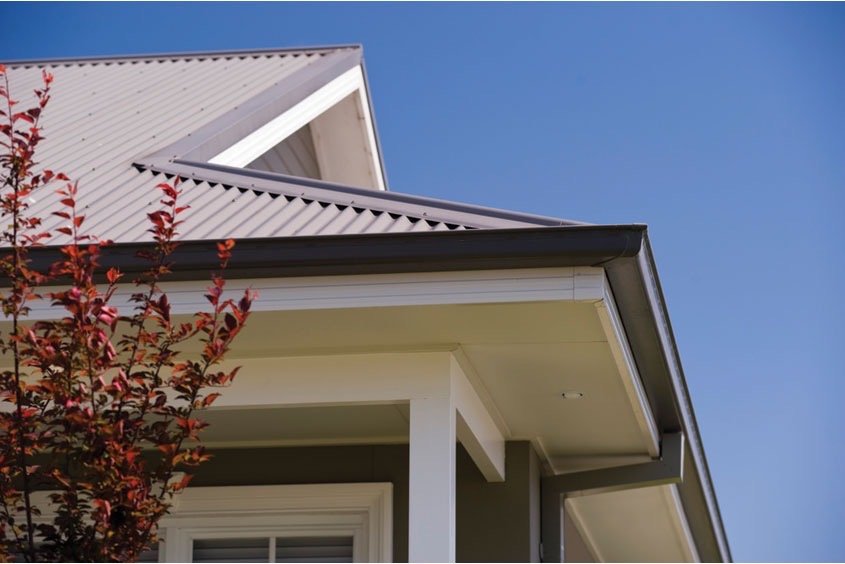
Even with a light, reflective roof, temperatures can still soar during a Central Coast summer. The materials located beneath the roof sheets determine the extent of heat transfer to the ceilings. Insulation serves as a barrier, slowing down heat transfer, while proper ventilation allows hot air to escape from the roof cavity before it accumulates.
The YourHome guide describes a well-ventilated roof space as a crucial buffer between the interior of the house and the external environment, particularly in “the most challenging area to shade: the roof.” It also mentions that “ventilators such as whirlybirds can help reduce the temperature differential across ceiling insulation, enhancing its effectiveness.” For further details on roof ventilation, check out our guide on whirlybirds and passive roof ventilation.
The National Construction Code outlines minimum insulation requirements for roofs, walls, and floors based on climate zones, as detailed in the YourHome guide. When planning a new roof, ensure you inquire about the type of insulation being installed beneath the new sheets.
Is a Metal Roof More Effective Than Tile Roofing in Hot Weather?
Both metal and tile roofs can either retain or reflect heat, influenced by their colour, insulation, and ventilation. The guidelines from YourHome regarding light-coloured roofing and foil insulation apply to both types of roofing. With a new Colorbond roof, you can select a colour from the core range that features Thermatech technology while also coordinating insulation and ventilation.
If you have tried multiple times to repair your tile roof and it continues to leak, it may be time to consider switching to a metal roof. Choosing a cooler colour should be part of that decision-making process. Our article comparing metal roofing with tile roofing offers a more in-depth examination of the advantages and disadvantages of both options.
Can a Cooler Metal Roof Reduce Air Conditioning Demand?
Certainly, a cooler roof can lead to decreased air conditioning needs. With less heat penetrating through the roof, your air conditioning unit can operate less frequently during the hottest parts of the day. BlueScope’s article does not provide specific savings figures, noting that results depend on factors such as roof colour, roof shape, insulation, and the building itself.
A light, reflective roof paired with high-quality insulation and a well-ventilated roof space gives your home the best chance of remaining comfortable without excessive reliance on air conditioning throughout the day.
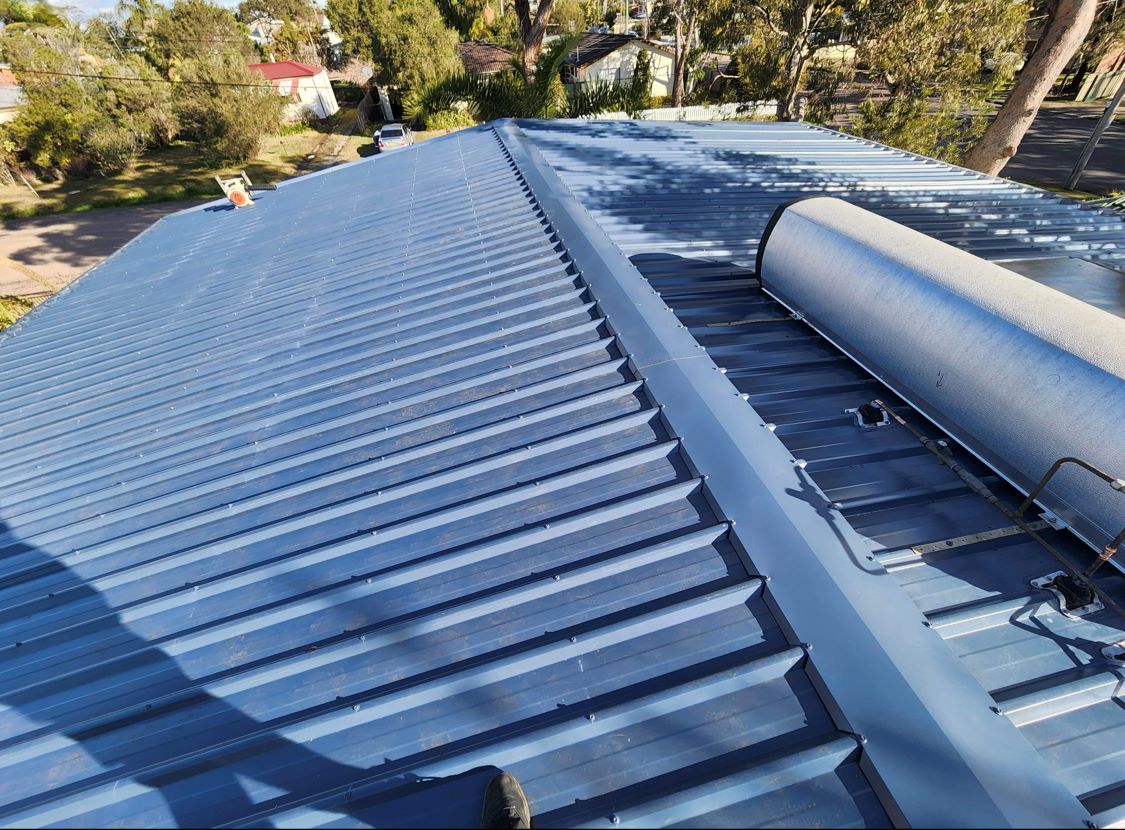
How to Effectively Plan a Metal Roof for a Cooler Home on the Central Coast
If you’re contemplating replacing an old roof, this is an ideal opportunity to focus on heat management. You can select the colour, coating, and insulation all at once, ensuring a decision that will benefit you for years to come.
AWS Roofing specialises in the installation of new Colorbond metal roofs and complete roof replacements across the Central Coast. We are a licensed roofing contractor (licence 247575C), fully insured and WorkCover accredited, with every project supported by a written warranty.
Do you have queries regarding a new roof and its temperature management? We are ready to help. Contact us for a free, no-obligation quote, or visit our showroom in Charmhaven to explore Colorbond colours in person.
References
- Australian Government, YourHome: Passive cooling (retrieved 7 October 2026)
- BlueScope: Cool roofing colours: innovative BlueScope technology, March 2023 (retrieved 7 October 2026)
Original Article First Published At: Is Metal Roofing Good in Hot Weather? How a New Colorbond Roof Keeps Your Central Coast Home Cooler
The Article: Metal Roofing in Hot Weather: Keeping Your Central Coast Home Cool first appeared on https://writebuff.com
The post Metal Roofing: Keeping Your Central Coast Home Cool in Heat appeared first on Limits Of Strategy.